Do you like Pop-Up books? Check out this video about a pop-up book collection at Bowdoin College in Brunswick, Maine.
Did you have a favorite Pop-Up book as a child?

Showing posts with label Children. Show all posts
Showing posts with label Children. Show all posts
Thursday, April 7, 2011

Monday, April 4, 2011
Explaining World Tragedy to Children
In light of everything going on in Japan this is a very timely article.
Explaining World Tragedy to Children
By Thomas Haller and Chick Moorman
Your six-year-old has just seen video footage of devastating destruction including collapsed buildings, crushed cars, and homes under water, all vivid images resulting from the recent earthquake and tsunami in Japan. Your teen sits transfixed watching the numbers of dead and injured mount. At the dinner table your fifth grader asks, "Can anything like that happen to us, Dad?"
How is a parent to respond under such circumstances? What should you say? What should you do? How do you deal with your children's fears without increasing them? Is it possible to reassure them at a time when you, yourself, are horrified by the images of intense pain and grief you see on the faces of parents halfway around the world?
Yes, you feel empathy for the survivors who have lost loved ones, homes, and jobs. Yes, you are extremely grateful that your children are safe in your comfortable home as the horrific images continue to flow from your television screen. And, yes, you can use this tragic situation to help your children learn lessons of love and compassion and about the indestructible nature of the human spirit.
Once children have seen the images of tragedy and suffering, debriefing is essential-the sooner the better. By debriefing, we mean answering their questions, providing information, asking questions, and reflecting their feelings.
Provide the scientific information they're asking for. Tell your children in age-appropriate language what you know about how nature can create an earthquake, tidal wave, tornado, hurricane, or volcanic eruption. Keep this part factual. You can even use books or magazines to assist you in providing information.
Tell your children the effects of the natural disaster. Talk about the destruction that was created by nature's fury. This is a good time to make the connection between cause and effect. Limit what you say to what your children actually saw on TV, and provide answers to their directly asked questions. Too much information at this point can increase their fright and worry. The goal is to be brief and accurate and to provide them with the specific information they're looking for. If you fail to give them information, if you fail to debrief, children's brains will fill in the blanks. Better to fill in those gaps yourself with factual knowledge than to have your children fill them with their imaginations.
Concentrate on feelings. Your children will be seeing a wide range of feelings expressed during TV coverage of such events. They will see sadness, panic, grief, relief, joy, depression, frustration and desperation. As a result, they will personally experience unexpressed and often unrecognized feelings.
When you sense they are feeling empathy, sadness, or pain, say so. Tell them, "You seem deeply saddened about this," or "You sound afraid that this might happen to us." Children are starving for feeling recognition and this is a great time to supply it.
When strong emotion is shown on TV, honor it by talking about it. Acknowledge the extreme sadness and grief that people are experiencing. Refrain from being an adult who ignores the grief of others and refuses to acknowledge it. Do not treat hurting human beings as if they are invisible. Talk about your own feelings. Tell your children about the sympathy and pain you feel for the losses others are suffering. Allow your children to hear and see you express feelings. By doing so, you're helping them acquire a feeling vocabulary they can use their entire lives.
When you communicate your own feelings and honor the feelings of your children for people around the world, you teach them important lessons about the human condition. You help them appreciate how we are all more alike than different. You help them see that we are all connected, no matter how distant we seem. You help them learn that we are all one.
As you go through this debriefing process, encourage your children to look for the helpers. Helpers always come. There are always people who step forth to help. In the case of a major tragedy, there will be many helpers playing out a variety of roles. Point them out to your children. Then, when small problems occur in their own lives, they will have learned to look for the helpers. There are helpers at school, on the playground, in the mall, and on the highway when our car breaks down. Learn to look for helpers and they will be more likely to show up when you need them.
Discuss with your children how you as a family can be helpers during this tragedy. Perhaps you can send money, give blood, say prayers, send love, or call the Red Cross to see what kinds of items you can donate. Choose one or more ways to be helpers as a family and allow your children to participate in implementing those choices with you. Pray together. Let them observe as you give blood. Take them shopping for the toiletry items needed by the Red Cross. Let them help you address the envelope that sends the check. Get them involved in the process of being a helper. Let them see and be love in action.
The scope and depth of the pain and heartache of catastrophic tragedies are not measurable. Yet, those horrific events can serve a useful purpose if we use them to help our children learn about feelings, look for the helpers, and appreciate the connectedness of all human beings and the beauty of one heart reaching out to another across continents. We can help them learn that around the world is a long way away, yet still very much a part of our neighborhood.
Chick Moorman and Thomas Haller are the authors of Parent Talk Essentials: How to Talk to Kids about Divorce, Sex, Money, School, and Being Responsible in Today's World. They are two of the world’s foremost authorities on raising responsible, caring, confident children. For more information about how they can help you or your group meet your parenting needs, visit their websites today. www.thomashaller.com or www.chickmoorman.com
Personal Power Press • P.O. Box 547 • Merrill • MI • 48637
http://personalpowerpress.com
Explaining World Tragedy to Children
By Thomas Haller and Chick Moorman
Your six-year-old has just seen video footage of devastating destruction including collapsed buildings, crushed cars, and homes under water, all vivid images resulting from the recent earthquake and tsunami in Japan. Your teen sits transfixed watching the numbers of dead and injured mount. At the dinner table your fifth grader asks, "Can anything like that happen to us, Dad?"
How is a parent to respond under such circumstances? What should you say? What should you do? How do you deal with your children's fears without increasing them? Is it possible to reassure them at a time when you, yourself, are horrified by the images of intense pain and grief you see on the faces of parents halfway around the world?
Yes, you feel empathy for the survivors who have lost loved ones, homes, and jobs. Yes, you are extremely grateful that your children are safe in your comfortable home as the horrific images continue to flow from your television screen. And, yes, you can use this tragic situation to help your children learn lessons of love and compassion and about the indestructible nature of the human spirit.
Once children have seen the images of tragedy and suffering, debriefing is essential-the sooner the better. By debriefing, we mean answering their questions, providing information, asking questions, and reflecting their feelings.
Provide the scientific information they're asking for. Tell your children in age-appropriate language what you know about how nature can create an earthquake, tidal wave, tornado, hurricane, or volcanic eruption. Keep this part factual. You can even use books or magazines to assist you in providing information.
Tell your children the effects of the natural disaster. Talk about the destruction that was created by nature's fury. This is a good time to make the connection between cause and effect. Limit what you say to what your children actually saw on TV, and provide answers to their directly asked questions. Too much information at this point can increase their fright and worry. The goal is to be brief and accurate and to provide them with the specific information they're looking for. If you fail to give them information, if you fail to debrief, children's brains will fill in the blanks. Better to fill in those gaps yourself with factual knowledge than to have your children fill them with their imaginations.
Concentrate on feelings. Your children will be seeing a wide range of feelings expressed during TV coverage of such events. They will see sadness, panic, grief, relief, joy, depression, frustration and desperation. As a result, they will personally experience unexpressed and often unrecognized feelings.
When you sense they are feeling empathy, sadness, or pain, say so. Tell them, "You seem deeply saddened about this," or "You sound afraid that this might happen to us." Children are starving for feeling recognition and this is a great time to supply it.
When strong emotion is shown on TV, honor it by talking about it. Acknowledge the extreme sadness and grief that people are experiencing. Refrain from being an adult who ignores the grief of others and refuses to acknowledge it. Do not treat hurting human beings as if they are invisible. Talk about your own feelings. Tell your children about the sympathy and pain you feel for the losses others are suffering. Allow your children to hear and see you express feelings. By doing so, you're helping them acquire a feeling vocabulary they can use their entire lives.
When you communicate your own feelings and honor the feelings of your children for people around the world, you teach them important lessons about the human condition. You help them appreciate how we are all more alike than different. You help them see that we are all connected, no matter how distant we seem. You help them learn that we are all one.
As you go through this debriefing process, encourage your children to look for the helpers. Helpers always come. There are always people who step forth to help. In the case of a major tragedy, there will be many helpers playing out a variety of roles. Point them out to your children. Then, when small problems occur in their own lives, they will have learned to look for the helpers. There are helpers at school, on the playground, in the mall, and on the highway when our car breaks down. Learn to look for helpers and they will be more likely to show up when you need them.
Discuss with your children how you as a family can be helpers during this tragedy. Perhaps you can send money, give blood, say prayers, send love, or call the Red Cross to see what kinds of items you can donate. Choose one or more ways to be helpers as a family and allow your children to participate in implementing those choices with you. Pray together. Let them observe as you give blood. Take them shopping for the toiletry items needed by the Red Cross. Let them help you address the envelope that sends the check. Get them involved in the process of being a helper. Let them see and be love in action.
The scope and depth of the pain and heartache of catastrophic tragedies are not measurable. Yet, those horrific events can serve a useful purpose if we use them to help our children learn about feelings, look for the helpers, and appreciate the connectedness of all human beings and the beauty of one heart reaching out to another across continents. We can help them learn that around the world is a long way away, yet still very much a part of our neighborhood.
Chick Moorman and Thomas Haller are the authors of Parent Talk Essentials: How to Talk to Kids about Divorce, Sex, Money, School, and Being Responsible in Today's World. They are two of the world’s foremost authorities on raising responsible, caring, confident children. For more information about how they can help you or your group meet your parenting needs, visit their websites today. www.thomashaller.com or www.chickmoorman.com
Personal Power Press • P.O. Box 547 • Merrill • MI • 48637
http://personalpowerpress.com
Saturday, April 2, 2011
How to Talk with Kids When Bad Things Happen
Have you ever had to explain something tragic to a child? How did you handle the situation?
Monday, March 28, 2011
Changing Education Paradigms
Sir Ken Robinson is brilliantly accurate when it comes to summarizing and finding the pitfalls in our current educational model. As a visual learner, I loved the use of animation in this video to depict his talk on education paradigms. Can you imagine the paradigm change that would take place if kid's could learn that way at school?
Saturday, March 5, 2011
Love and Logic Parenting Tips
Giving Choices
Let your kids make choices throughout the day. Gently remind them of this priviledge when you need to make a big choice.
How to Get Kids To Do What You Want
Model with excitement and joy! Think out loud! Behave!
How to Get Out the Door in the Morning
As you move through your morning routine only give two possible choices for each desired action. Don't forget to make it fun!
Potty Training Tips
Remember children potty train at different ages and it has nothing to do with the child's intelligence. Be a model, make it natural, and it will happen!
Dealing with Whining
When your child whines, smile and say, "Love you too much to argue."
Let your kids make choices throughout the day. Gently remind them of this priviledge when you need to make a big choice.
How to Get Kids To Do What You Want
Model with excitement and joy! Think out loud! Behave!
How to Get Out the Door in the Morning
As you move through your morning routine only give two possible choices for each desired action. Don't forget to make it fun!
Potty Training Tips
Remember children potty train at different ages and it has nothing to do with the child's intelligence. Be a model, make it natural, and it will happen!
Dealing with Whining
When your child whines, smile and say, "Love you too much to argue."
Friday, February 4, 2011
Bento Boxes
I am always so inspired by the Bento Box lunches I have read about on Wendolonia. This past Christmas I bought the boys a Frog and a Panda Bento box. I have only packed snacks in them so far but I am feeling inspired by Wendolonia's video (see below) and just may attempt to pack a full lunch in them. So cute and functional!
Do you pack your kids school lunches? Do you use Bento Boxes? What healthy foods do you pack?
Do you pack your kids school lunches? Do you use Bento Boxes? What healthy foods do you pack?
Thursday, January 6, 2011
Why it's good to let kids get dirty!
Many parent's today dislike when their children get dirty, because it usally means more laundry for them. But the following articles and video explain why it's important for children to get dirty.
Let Your Kids Get Dirty--Explains why dirt is good for our kids immune systems
Dirt-It's Good for Kids--"Relax, Let your kids get dirty!" We are being too phobic about germs.
"Dirt is good" for Kids, Experts Insist--Put away the antimicrobial soaps, let kids play in the dirt
Let kids be kids! They should come home dirty everyday or they are not doing their body good!
Let Your Kids Get Dirty--Explains why dirt is good for our kids immune systems
Dirt-It's Good for Kids--"Relax, Let your kids get dirty!" We are being too phobic about germs.
"Dirt is good" for Kids, Experts Insist--Put away the antimicrobial soaps, let kids play in the dirt
Let kids be kids! They should come home dirty everyday or they are not doing their body good!
Tuesday, January 4, 2011
4 Things Kids Need to Hear
Check out this informative article, Overprotected Kids: How to Let Kids Take Risks. Children need opportunities to take positive risks and opportunities to be responsible. A positive risk for a child could be as simple as holding a wiggly bug in their hands, climbing up a ladder to go down a slide, or cutting paper with scissors. A responsibility for a young child might be having them help prepare a meal and then carry a bowl full of food to the table.
The following was at the bottom of the above article and I really felt it worth repeating:
4 things kids need to hear
Children covet facing positive risks and taking on responsibility because they'll hear four affirming messages from adults and peers, Michael Ungar says in his book Too Safe for Their Own Good.
1.YOU BELONG. Risk and responsibility give a child a sense she fits in somewhere.
2.YOU'RE TRUSTWORTHY. When others trust a child, the child will trust himself.
3.YOU'RE RESPONSIBLE. Children relish the opportunity to be seen as soon-to-be grown-ups.
4.YOU'RE CAPABLE. If adults identify special abilities in children, they'll feel capable of making good decisions for themselves.
I hope that you will give your child opportunities to take positive risks and to be responsible.
The following was at the bottom of the above article and I really felt it worth repeating:
4 things kids need to hear
Children covet facing positive risks and taking on responsibility because they'll hear four affirming messages from adults and peers, Michael Ungar says in his book Too Safe for Their Own Good.
1.YOU BELONG. Risk and responsibility give a child a sense she fits in somewhere.
2.YOU'RE TRUSTWORTHY. When others trust a child, the child will trust himself.
3.YOU'RE RESPONSIBLE. Children relish the opportunity to be seen as soon-to-be grown-ups.
4.YOU'RE CAPABLE. If adults identify special abilities in children, they'll feel capable of making good decisions for themselves.
I hope that you will give your child opportunities to take positive risks and to be responsible.
Saturday, January 1, 2011
Why Eat Organic?
Why eat Organic?
Healthy Snacks for Kids--Good suggestions for general snack ideas
- Organic Fruits & Veggies Taste Better than produce grown with synthetic pesticides
- Healthier for us (Food Grown with less harmful chemicals)
- Environmentally-friendly (Less Chemicals running off into our water system)
- There are more options available today in the supermarkets
- Many traditional processed snacks contain too much sugar, fat and have little nutritional quality
Healthy Snacks for Kids--Good suggestions for general snack ideas
Wednesday, December 22, 2010
Biophobia
Have you ever driven around your neigborhood on the weekends and noticed that something was missing? Where are the children? I know I rarely see kids playing outside where I live. When I have gotten outdoors with children I have noticed that sometimes they are afraid or bored. Some children are even afraid to step on grass or get dirty. That is sad!
“Many children today find it easier to stay indoors and watch television. I worry that children do not know what they are missing. Children cannot love what they do not know. They cannot miss what they have not experienced.” Mary Pipher, The Shelter of Each Other
What is especially scary is that the children of today, who are spending all their time indoors, are not learning to respect nature. If they are afraid of nature and are not familiar with nature how do we expect them to care for the outdoors when we are gone?
“It is quite possible for today’s child to grow up without ever having taken a solitary walk beside a stream, or spent the hours we used to foraging for pine cones, leaves, feathers and rocks – treasures more precious than store-bought ones. Today it is difficult to tear children away from the virtual world of the mall to introduce them to the real one.” Gary Paul Nabhan and Stephen Trimble, The Geography of Childhood
A new term I learned recently is Biophobia, a fear of the natural world. Do we want our children to fear the outdoors?
Help Your Kids Enjoy the Outdoors
“Many children today find it easier to stay indoors and watch television. I worry that children do not know what they are missing. Children cannot love what they do not know. They cannot miss what they have not experienced.” Mary Pipher, The Shelter of Each Other
What is especially scary is that the children of today, who are spending all their time indoors, are not learning to respect nature. If they are afraid of nature and are not familiar with nature how do we expect them to care for the outdoors when we are gone?
“It is quite possible for today’s child to grow up without ever having taken a solitary walk beside a stream, or spent the hours we used to foraging for pine cones, leaves, feathers and rocks – treasures more precious than store-bought ones. Today it is difficult to tear children away from the virtual world of the mall to introduce them to the real one.” Gary Paul Nabhan and Stephen Trimble, The Geography of Childhood
A new term I learned recently is Biophobia, a fear of the natural world. Do we want our children to fear the outdoors?
Help Your Kids Enjoy the Outdoors
Wednesday, November 24, 2010
Fresh Air Improves Eyesight
In this somewhat humorous video, Denise, who is nearsighted, spends a lot of time using the computer, watching tv, reading and writing indoors. After spending hours playing on the computer Denise makes sure to look at something in the distance through the window to refocus her eyes.
While watching this video I was struck by how much time Denise's mother spends making sure that Denise does not sit too close to the TV or computer screen; that she holds her book at arms length, etc. She expends a lot of energy correcting but what if she had encouraged her daughter to go outside? New research suggests that these indoor focused activities can actually cause our children to have poor vision:
Kids Who Spend More Time Outdoors Have Better Vision
Many children in America spend their days much like Denise, engaged in indoor focused activities. After watching this video I wondered how much time Denise or other children actually spend outdoors. I discovered this research:
National Kid's Survey: How Much Time do Kids Spend Outdoors?
Here are some more reasons to get children outdoors:
10 Reasons Kids Need Fresh Air
Monday, September 6, 2010
Handling Headlice
I was reading an online newsletter recently and there was a discussion about head lice. I don't know about you but I would rather be prepared in case my kids ever had head lice. I just discovered these funny but informative videos about handling head lice. Enjoy!
Friday, June 25, 2010
Race to Nowhere
There is a new film coming out called, Race To Nowhere. I really hope that it will come to my area! It is about how our current educational system is pushing our kids to a Race to Nowhere. We are creating stressed out, achievement driven kids, but are they happy? Are they healthy? Do they even know who they are? Some things to think about when you are pushing your kids to sign up for one more activity.
Be sure to watch this film when it comes out:
Be sure to watch this film when it comes out:
Wednesday, June 23, 2010
Child Targeted Advertising
Here is an interesting article, How Shrek and Dora are Making Kids Fat, that claims that child-targeted advertising which uses cartoon characters is making our kids choose foods that are not exactly the most healthy for them. I know that my kids would choose a product with Dora on the front if they had a choice. Interestingly, even when we go through the health food sections my kids want us to get the cereals with the cute animals on them, but then they are let down when they don't like the cereal. What do you think of these marketing tactics?
Tuesday, June 22, 2010
Reforming Education
Since I have been introduced to TED I have watched quite a few inspirational videos! I like that they make you think about topics you may not have thought much about before. Isn't the Internet great? I especially love videos about reforming education and how people learn. Here are three videos that will make you question our current educational model.
In this first video Sir Ken Robinson talks about how we are not all meant to do the same thing, but we are all being taught the same way. He makes a point that we are treading on our children's dreams and doing them a diservice by not recognizing their individual talents and dreams. He suggests we reform our current educational model.
Here is another video by Sir Ken Robinson about how schools take creativity away from children. He is a really great speaker!!
In the same vein as these other videos here is one by Gever Tulley at TEDxAtlanta. He says, "You can make people study, but you can't make them learn!" This video is about promoting self-directed learning.
In this first video Sir Ken Robinson talks about how we are not all meant to do the same thing, but we are all being taught the same way. He makes a point that we are treading on our children's dreams and doing them a diservice by not recognizing their individual talents and dreams. He suggests we reform our current educational model.
Here is another video by Sir Ken Robinson about how schools take creativity away from children. He is a really great speaker!!
In the same vein as these other videos here is one by Gever Tulley at TEDxAtlanta. He says, "You can make people study, but you can't make them learn!" This video is about promoting self-directed learning.
Monday, June 21, 2010
Miss Rumphius
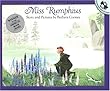 If you go to any touristy places in New England you are bound to run into a copy of the children's book, Miss Rumphius by Barbara Cooney. Apparently Cooney lived in Maine before she passed away several years ago.
Despite the many times I have seen the cover of this book I had yet to read it until last week when the kids begged me to read it to them. I am so glad that I did. It is a beautifully illustrated book and has such a heartwarming message: Do Something to Make the World More Beautiful.
I recommend that you read this book no matter what age you are. You may find that this book inspires you to do something to make your mark in this world!
What children's books have inspired you?
Subscribe to:
Posts (Atom)
